

IN SITU: Art, Research, and Practice on Failaka Island (2026)
‘IN SITU: Art, Research, and Practice on Failaka Island’ was presented at Contemporary Art Platform (CAP) from January 28th to February 19th, 2026, under the patronage of The Secretary General of the National Council for Culture, Arts and Letters (NCCAL), Dr Mohammed Al Jassar.
Dana Al Rashid
Qutaiba Buyabes
Farah Khajah
Mohammed Alkouh
Moza Almatrooshi
Bliss Ashley and Deema Alghunaim
Céline Pilch
Eric Soyer
SABAB Theatre

Aindreas Scholz

Aindreas Scholz

Mohammed Alkouh
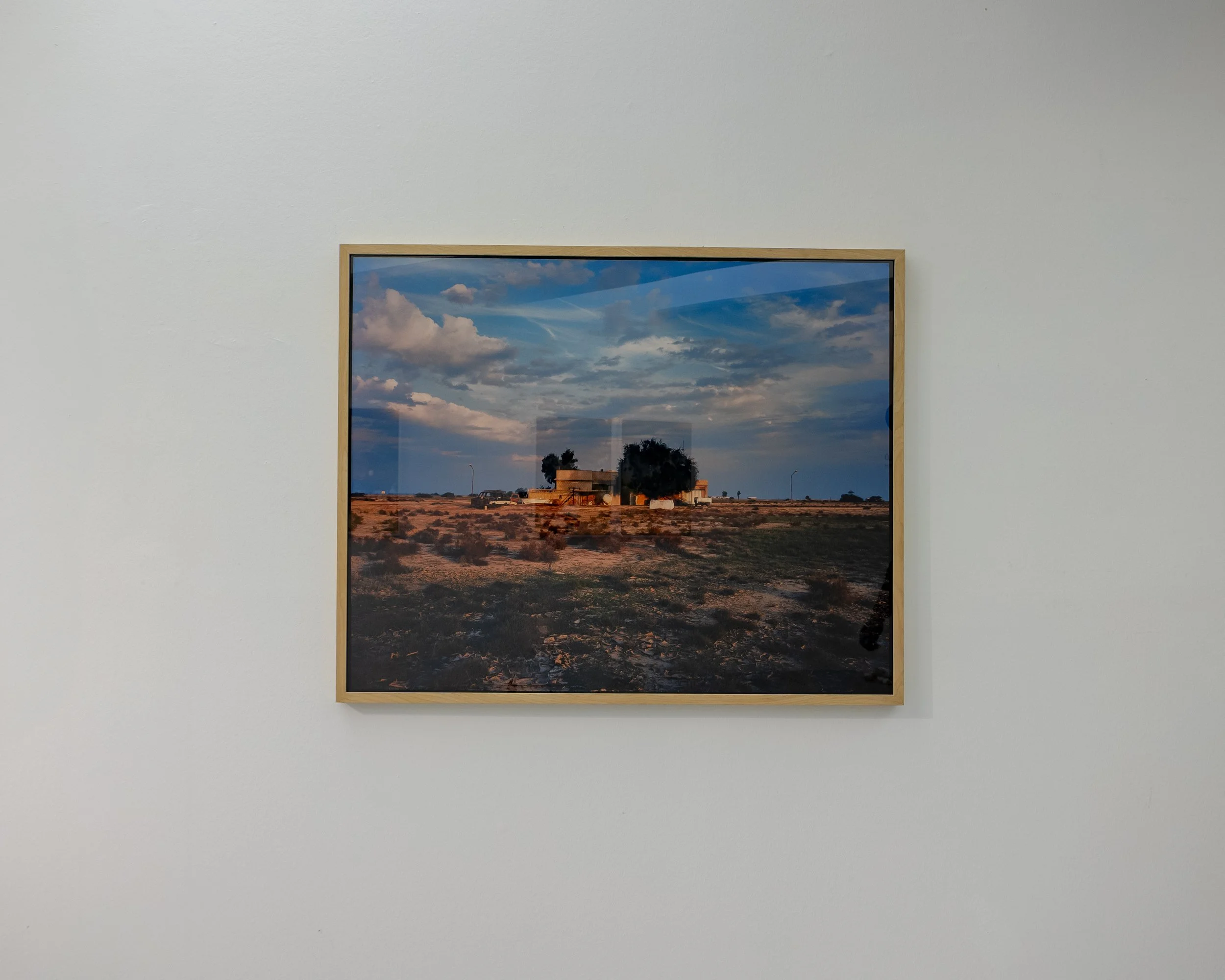
Mohammed Alkouh

Celine Pilch
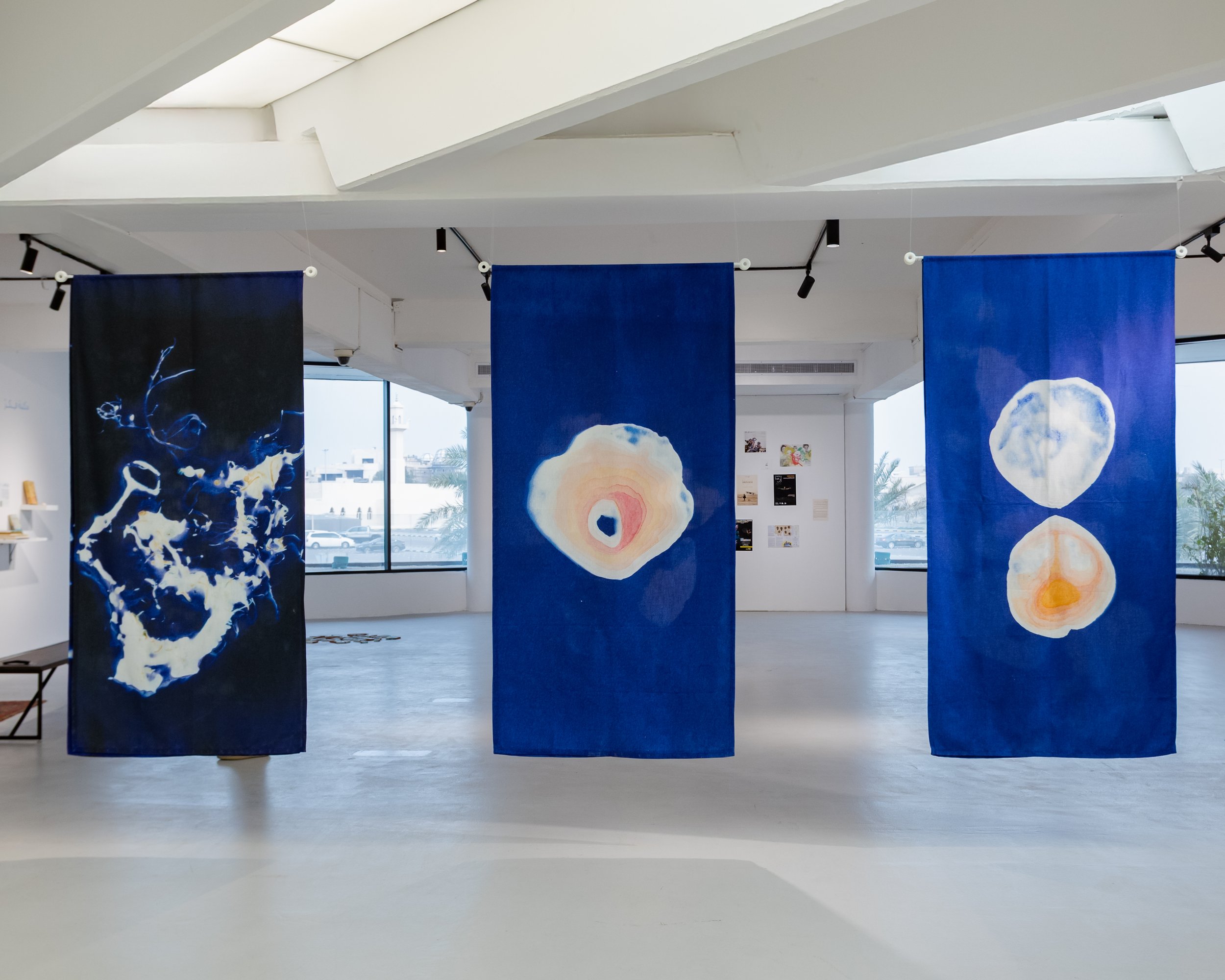
Celine Pilch
Curatorial statementBy Océane Sailly
Situated at the threshold between land and sea, past and future, Failaka is an island shaped as much by continuity as by rupture. Archaeological remains, modern housing, military infrastructure, ecological rewilding, and everyday acts of return coexist within a compressed geography. IN SITU: Art, Research, and Practice on Failaka Island brings together the projects developed during the first two public seasons of FIKAR (2023–2035), unfolding Failaka Island as both subject and method. Conceived as a living archive, the exhibition resists linear narration and fixed conclusions. Instead, it mirrors the island’s layered realities, where ecology, memory, mythology, and lived experience coexist in states of tension, erosion, and renewal.
At the core of IN SITU lies FIKAR’s mission to cultivate long term, site responsive practices grounded in research, experimentation, and cross disciplinary exchange. Rooted on Failaka Island, FIKAR operates as a platform where artists, researchers, and thinkers engage with place not as a backdrop, but as a complex ecosystem shaped by history, ecology, and lived realities. The projects presented embody this ethos through extended immersion, collaborative methodologies, and attentiveness to local knowledge systems. Rather than producing definitive outcomes, they privilege process, slowness, and sustained inquiry, allowing new forms of understanding to emerge over time.
Ecology forms a central connective tissue across the exhibition. Hayat’s long term documentation of Failaka’s native flora establishes a foundational ecological register, mapping the island through seasonal cycles and plant life, including endemic species found nowhere else in the world. This scientific archive resonates with Aindreas Scholz’s cameraless photographic works, where seawater, sediment, and light physically inscribe themselves onto the image surface, transforming photography into a form of environmental sensing. These approaches find further resonance in Céline Pilch’s experimental photographic practice, which engages Failaka through cameraless processes such as cyanotypes and lumen prints. Working directly with shells, algae, plants, and tidal formations, Pilch treats environmental conditions and material transformation as active collaborators, questioning fixed notions of belonging, permanence, and documentation.
This sensitivity to seasonality and material presence is echoed, on a more intimate scale, in Farah Khajah’s works. Working with capiz shells encountered on Failaka only at specific moments of the year, Khajah presents these fragile forms in their raw state, allowing light, translucency, and time to remain visible. Her practice aligns with Pilch’s attention to material process and with Moza Almatrooshi’s inquiry into care and restraint, situating return and quiet observation as subtle yet essential modes of engaging with the island’s ecology.
Material transformation and reimagined mythologies emerge in the work of Moza Almatrooshi and Alymamah Rashed. Almatrooshi’s research traces the island through food systems, plants, and light, evolving into anthotypes and speculative menus that question consumption, care, and reciprocity. Rashed, through painting, drawing, and collected remnants, engages Failaka as a spiritual body, animating pebbles, bullets, and fragments of fabric into new mythic presences. In both practices, plants, minerals, and found matter operate as agents rather than symbols, collapsing boundaries between landscape, body, and narrative.
Histories of abandonment, displacement, and endurance surface through visual research and storytelling. Mohammed Alkouh’s ongoing photographic archive observes Failaka’s architecture from the outside, approaching abandoned houses as closed yet charged structures shaped by neglect and restriction rather than time alone. This perspective is extended in Eric Soyer’s photographic work, which moves inside these same spaces. Entering fractured interiors, Soyer treats light as a dramaturgical force, revealing traces of former inhabitation while dissolving clear distinctions between past and present. Together, their practices form a spatial dialogue between exterior and interior, distance and immersion, documenting Failaka’s built environment as a living archive shaped by withdrawal, memory, and persistence. This inquiry is further expanded by Majid Al Remaihi’s film Perishable Idol, which folds mythology and personal encounter into a speculative narrative holding ancient cosmologies alongside post war silence, and by Hélène Mutter’s research driven project examining how the Gulf War continues to shape visual memory through archives, testimonies, and satellite imagery.
Sound, performance, and embodied research animate the island’s invisible layers. The Failaka Sessions by Two or The Dragon and Hala Omran transform marginalised histories into sonic compositions, where chants, poetry, and experimental music function as living archives. SABAB Theatre’s research lab situates Failaka as a generative space for theatrical thinking, where isolation and slowness enable new dramaturgical forms to emerge. Bliss Ashley and Deema Alghunaim approach the island as a field of transmissions, proposing a performative journey that listens to Failaka through sound, movement, and imagined signals embedded in the landscape.
Documentary, textual, and research based practices further situate Failaka within wider ecological and cultural narratives. Hourglass Island by Manon Kole and Lucas Perrogon frames the island as a resilient time capsule shaped by erosion and continuity, while Jasem Alsanea’s intuitive wandering offers a quiet meditation on silence, liminality, and aftermath. Dana Al Rashid’s research engages with vernacular knowledge and spatial memory, examining how local practices and forms of inhabitation inform architectural heritage over time. Betty Moore’s textual project, A Love Letter to Failaka: Descriptions of the Island throughout History, assembles voices from different eras to trace how Failaka has been described, imagined, and inhabited. Drawing from historical sources and material culture, the work is conceived as an open and evolving archive, aligning with the exhibition’s understanding of research as a living, unfinished process.
IN SITU asks what it means to remain with a place over time. The exhibition foregrounds practices grounded in listening, observation, and sustained presence, resisting the urge to impose fixed narratives or demand resolution. Through research based and experimental approaches, the works engage Failaka as a living terrain where ecological processes, historical layers, and future imaginaries continue to intersect. As a living archive, IN SITU reflects FIKAR’s commitment to long term, site responsive inquiry, inviting reflection on how care, knowledge, and responsibility might be practiced in relation to places marked by transformation.

Celine Pilch
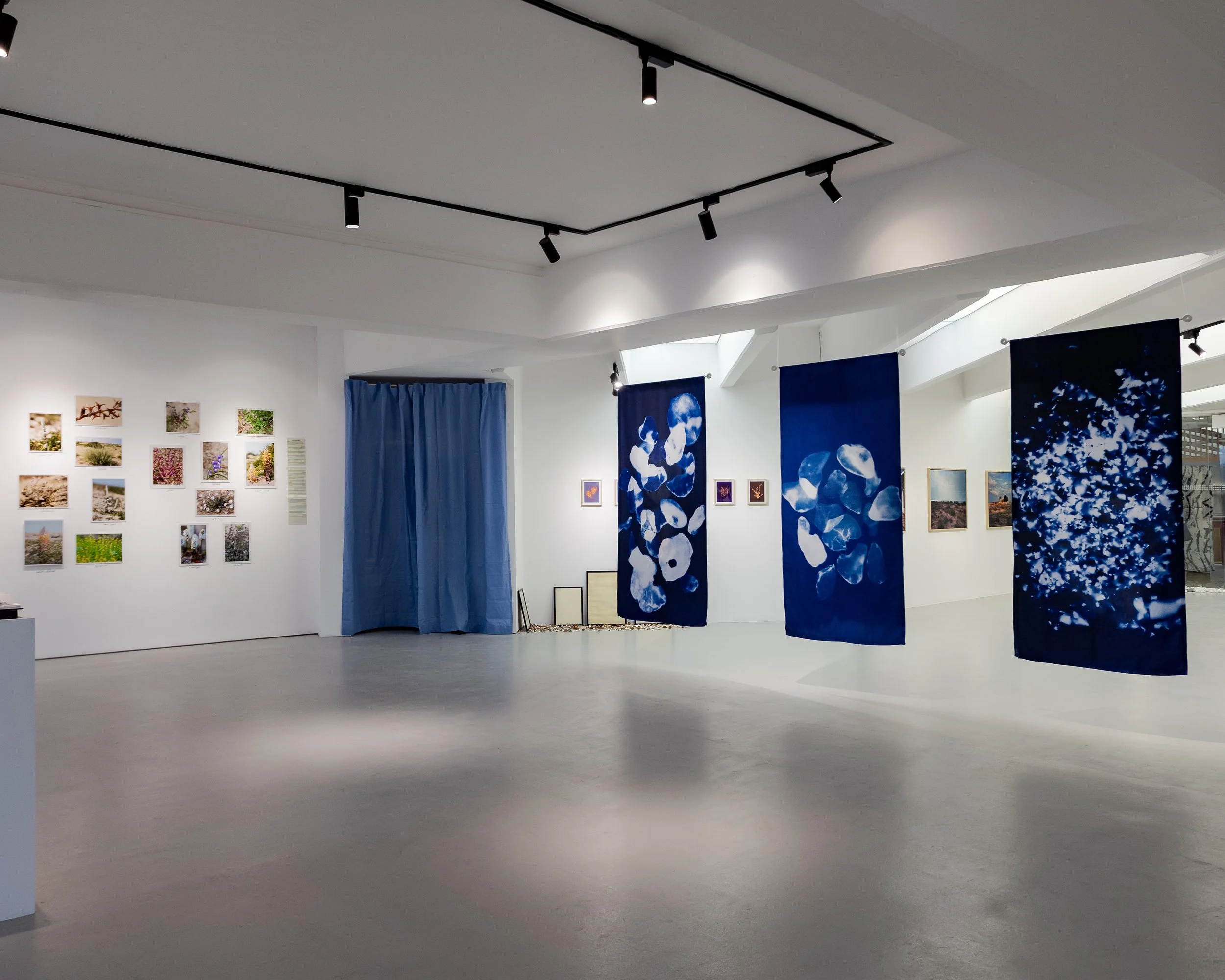
Celine Pilch and Hayat

Hayat

Hayat
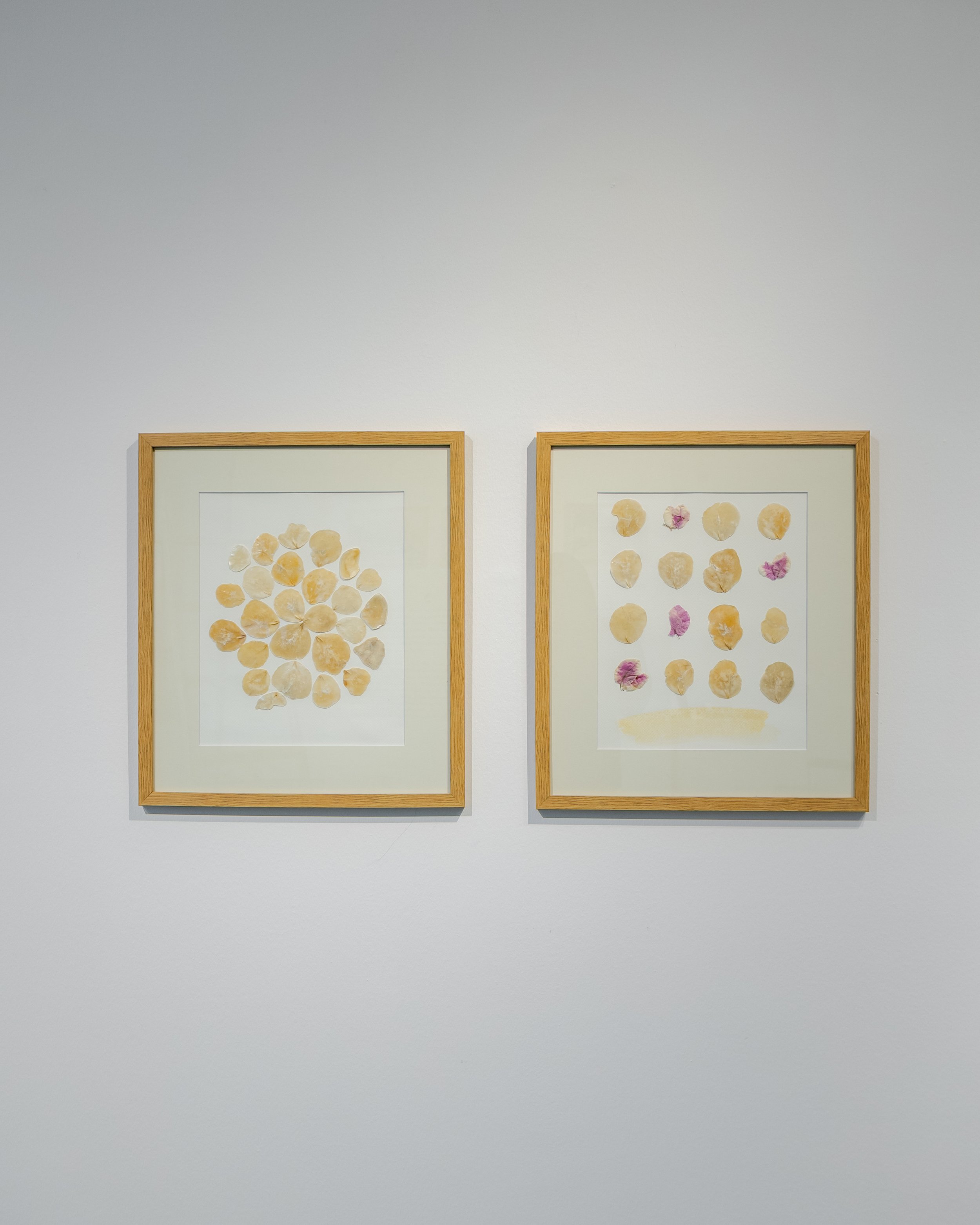
Farah Khajah

FIKAR presentation
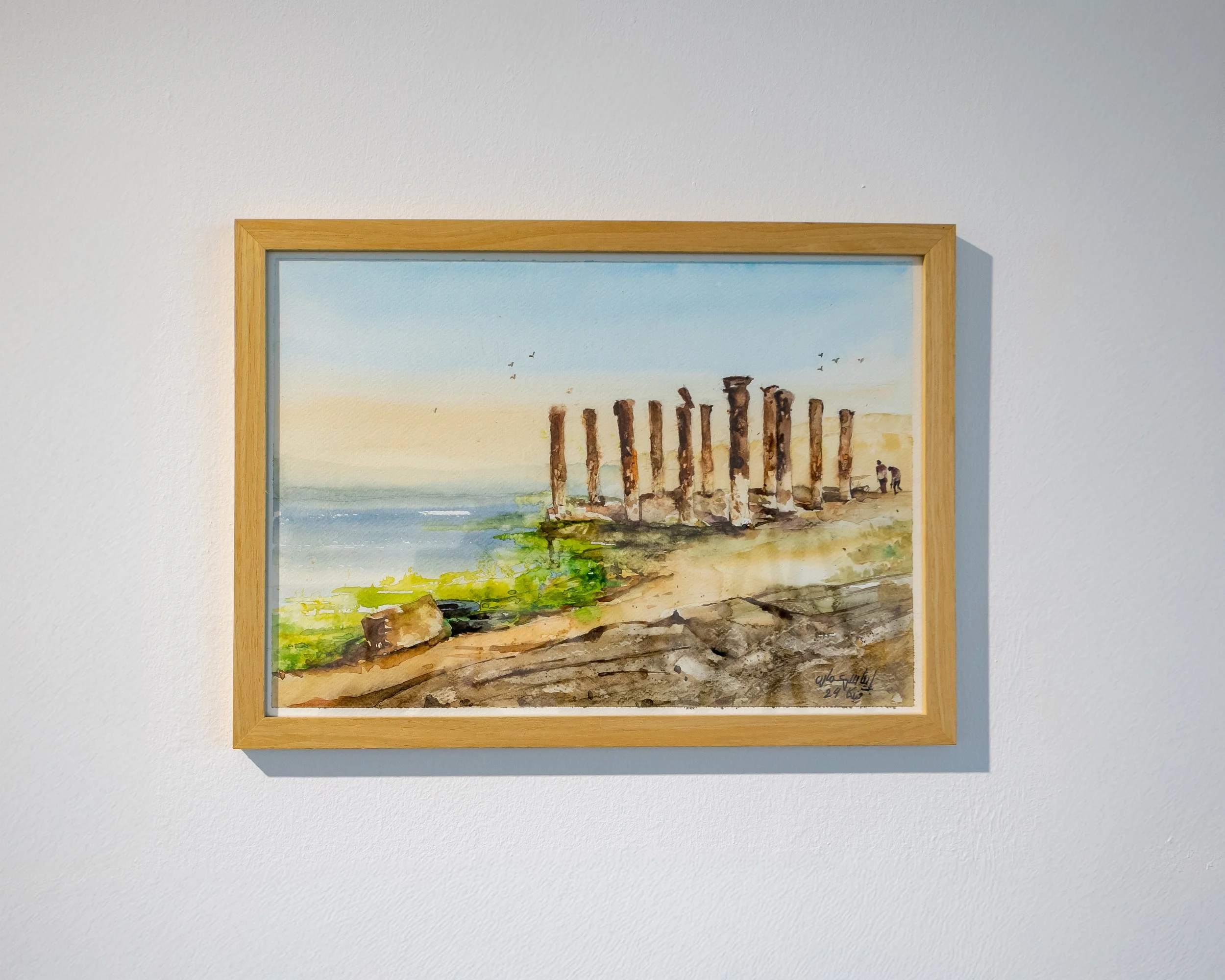
Enas Omara
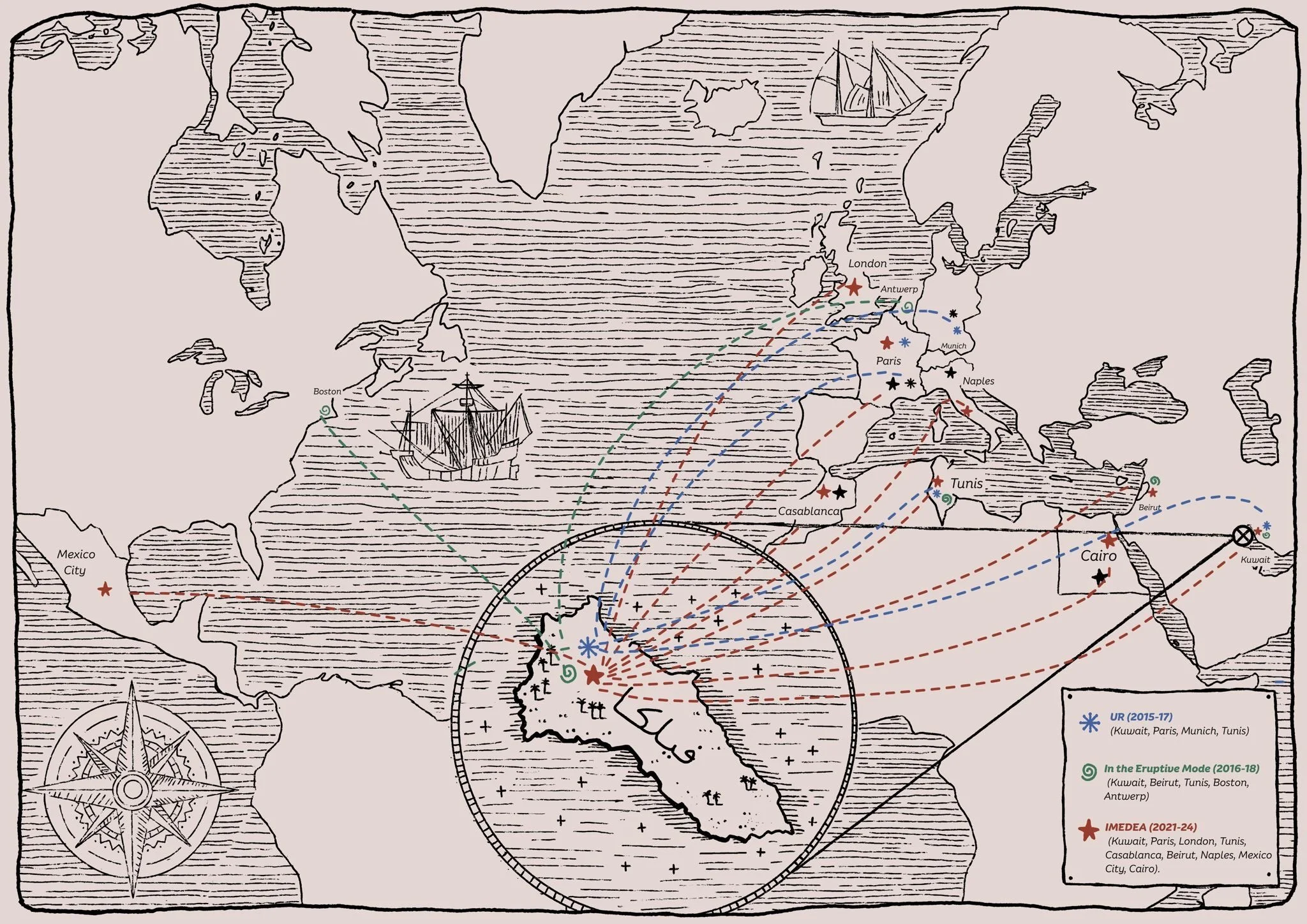
SABAB

FIKAR library project by Betty Moore
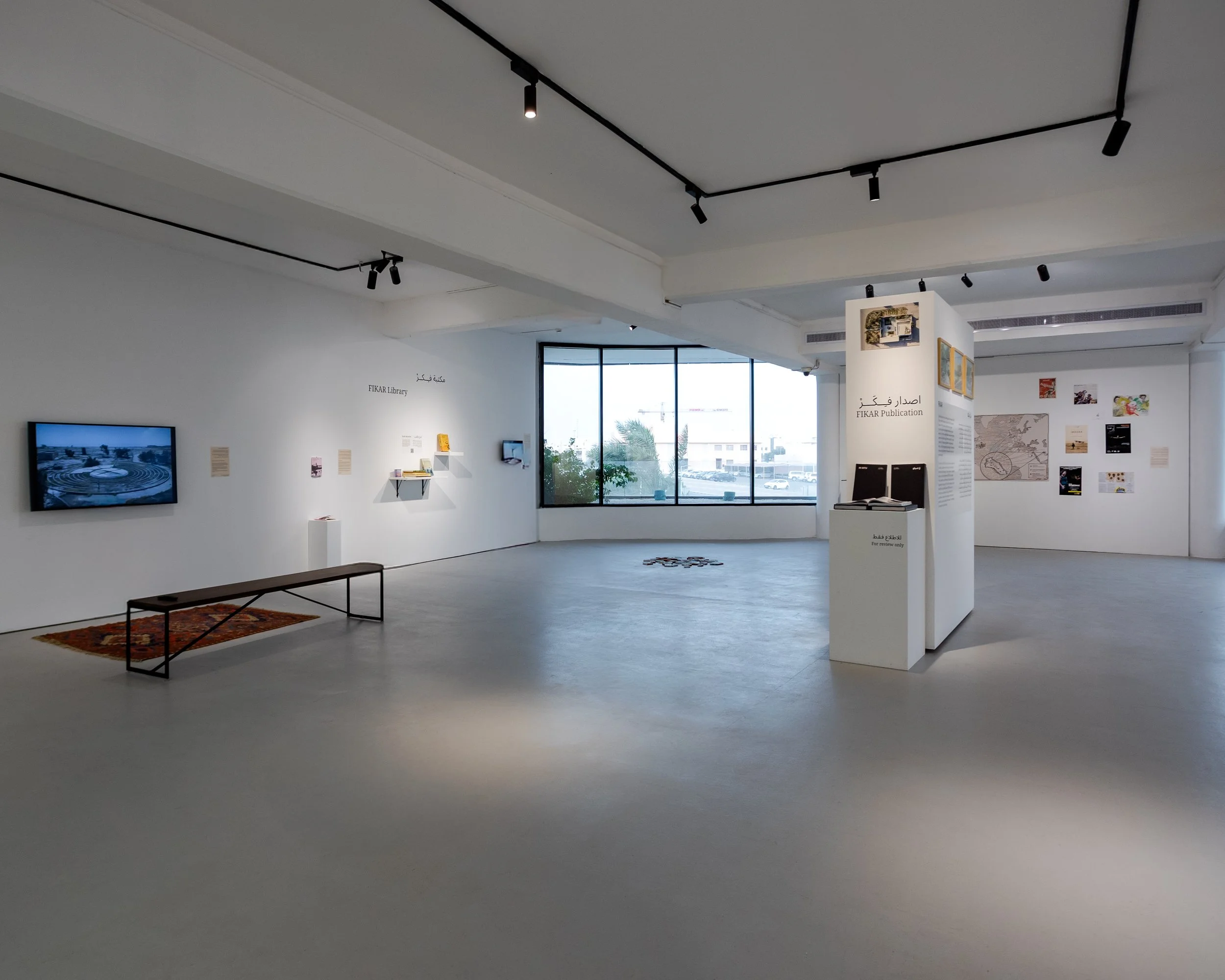
Exhibition view
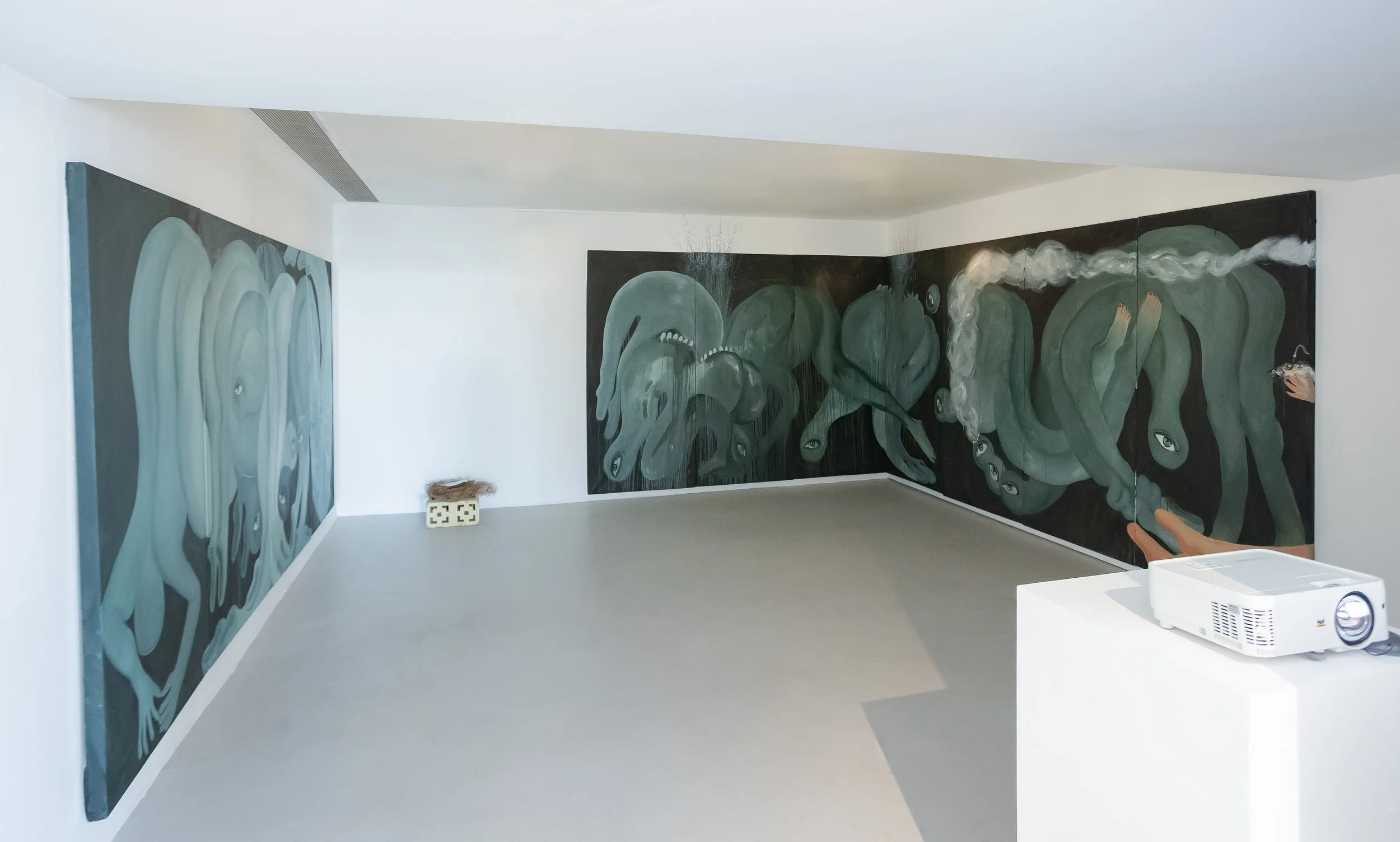
Alymamah Rashed

Alymamah Rashed
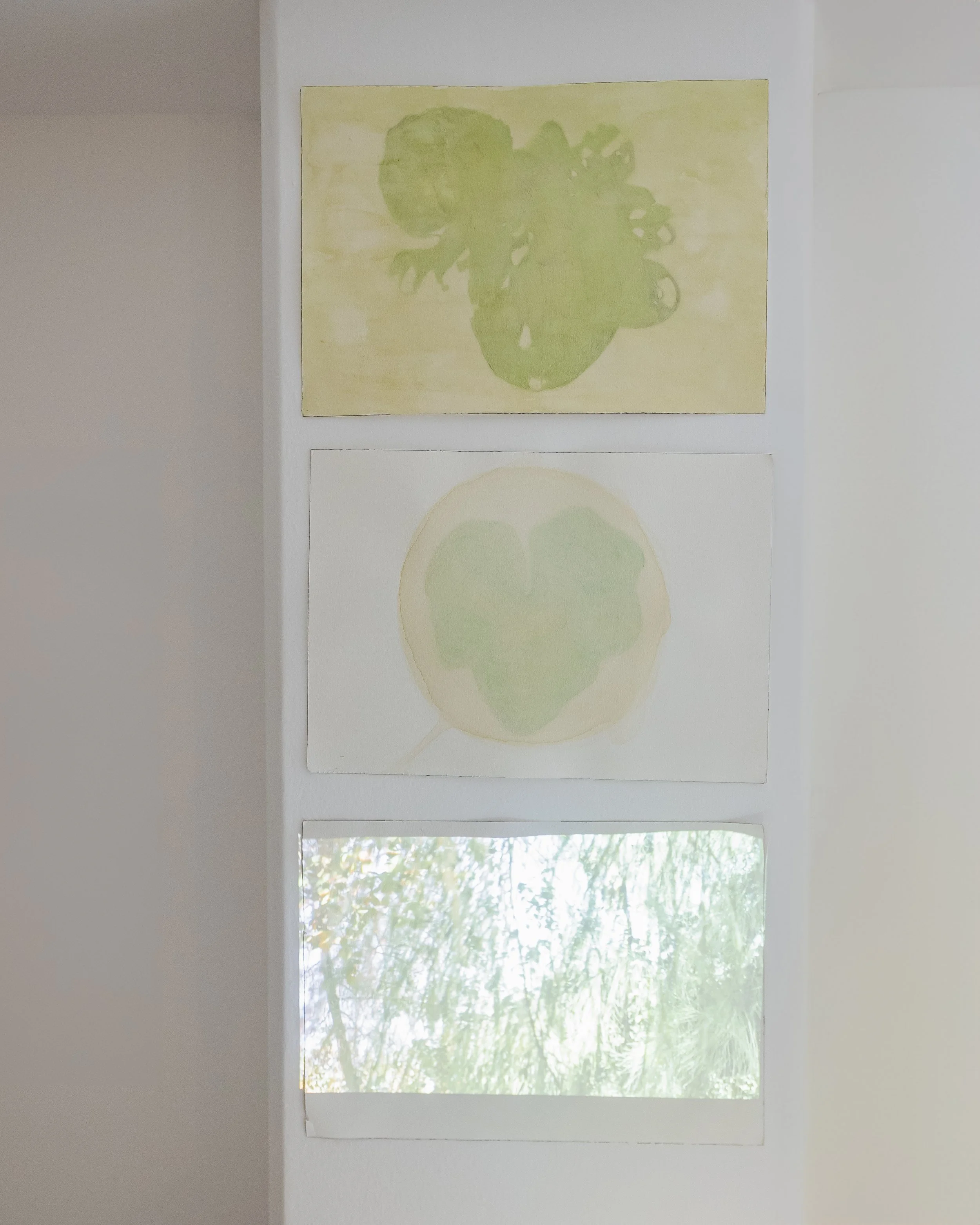
Moza Almatrooshi

Moza Almatrooshi

Eric Soyer
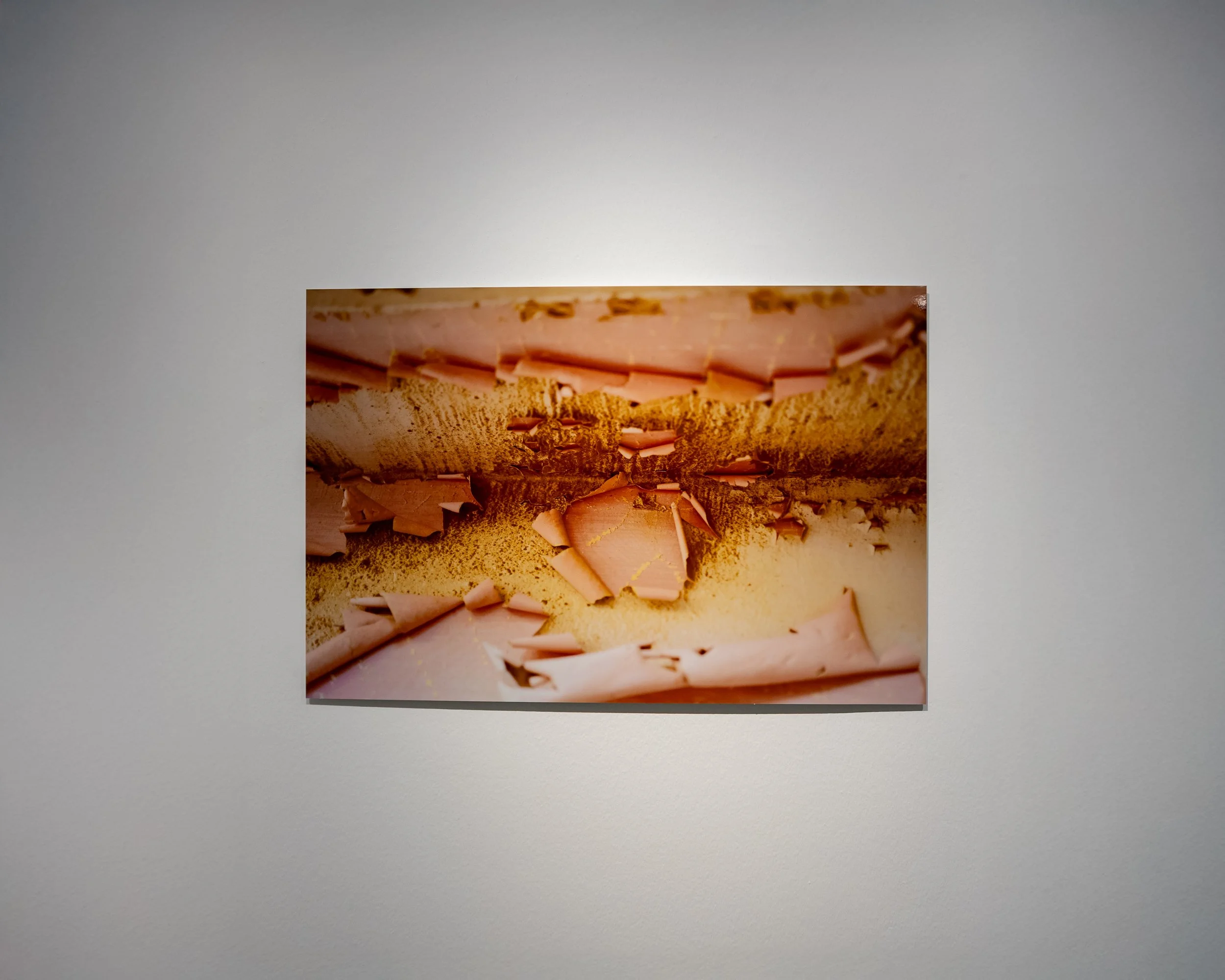
Eric Soyer

Hélène Mutter
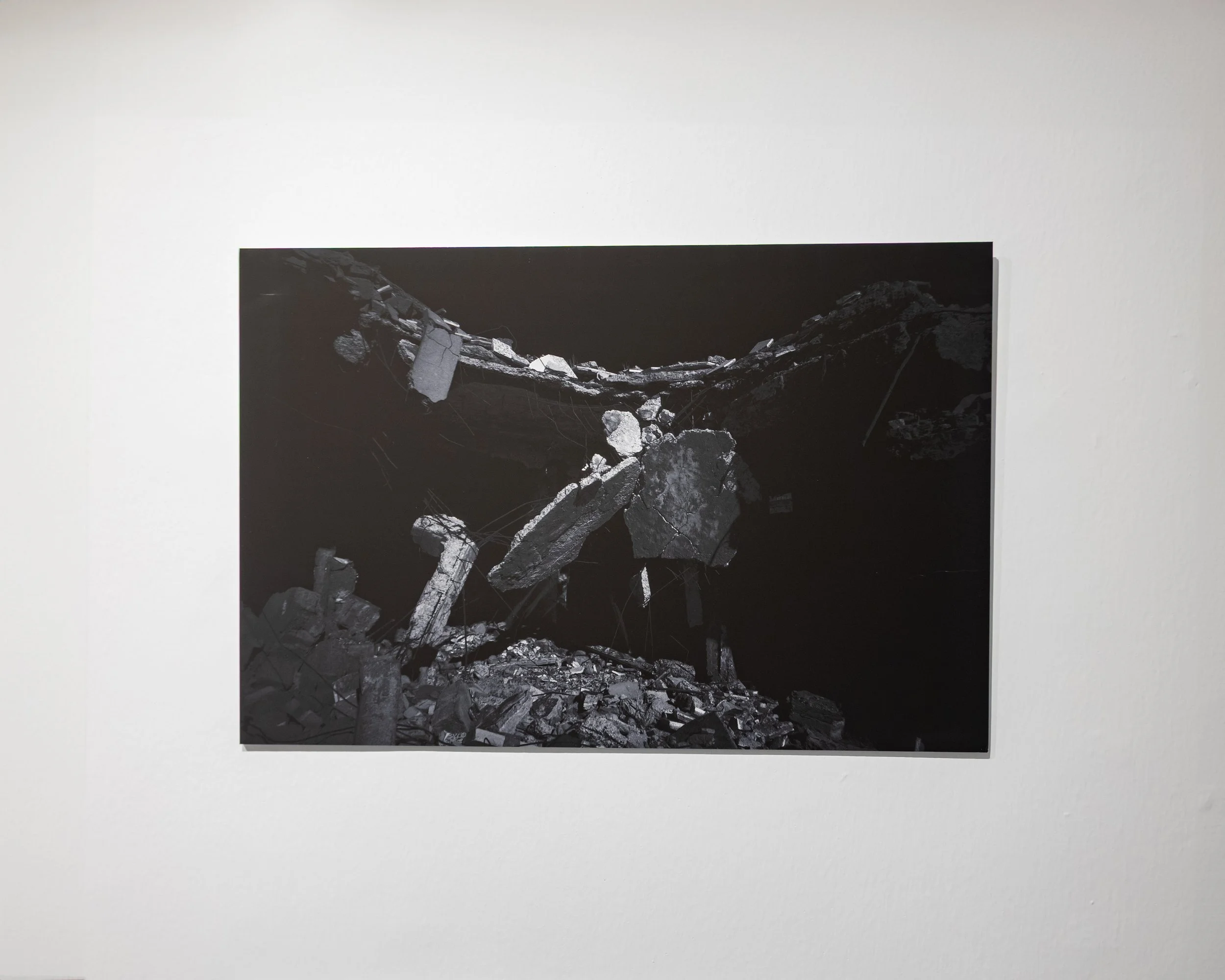
Hélène Mutter

Hélène Mutter
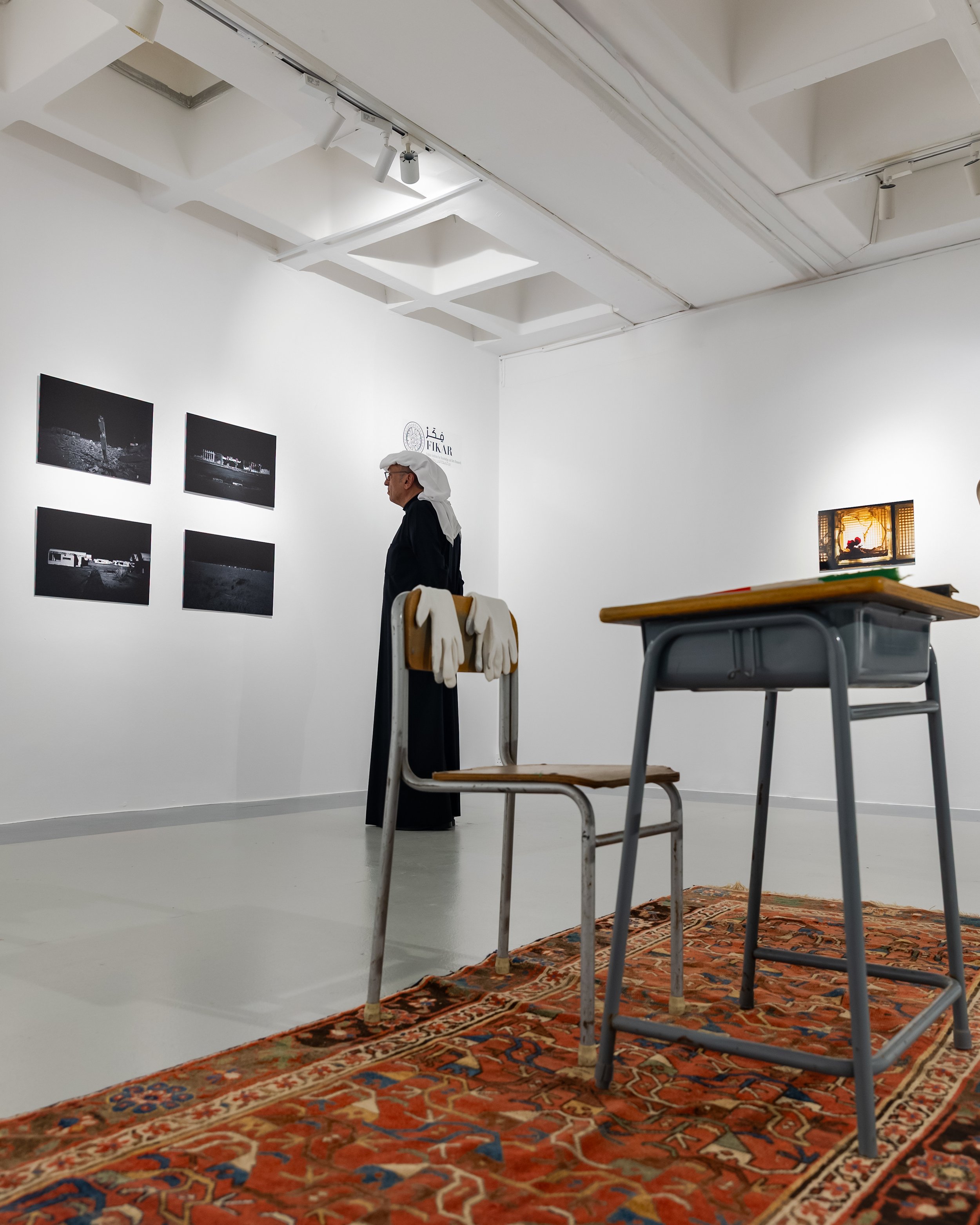
Hélène Mutter

Qutaiba Buyabes
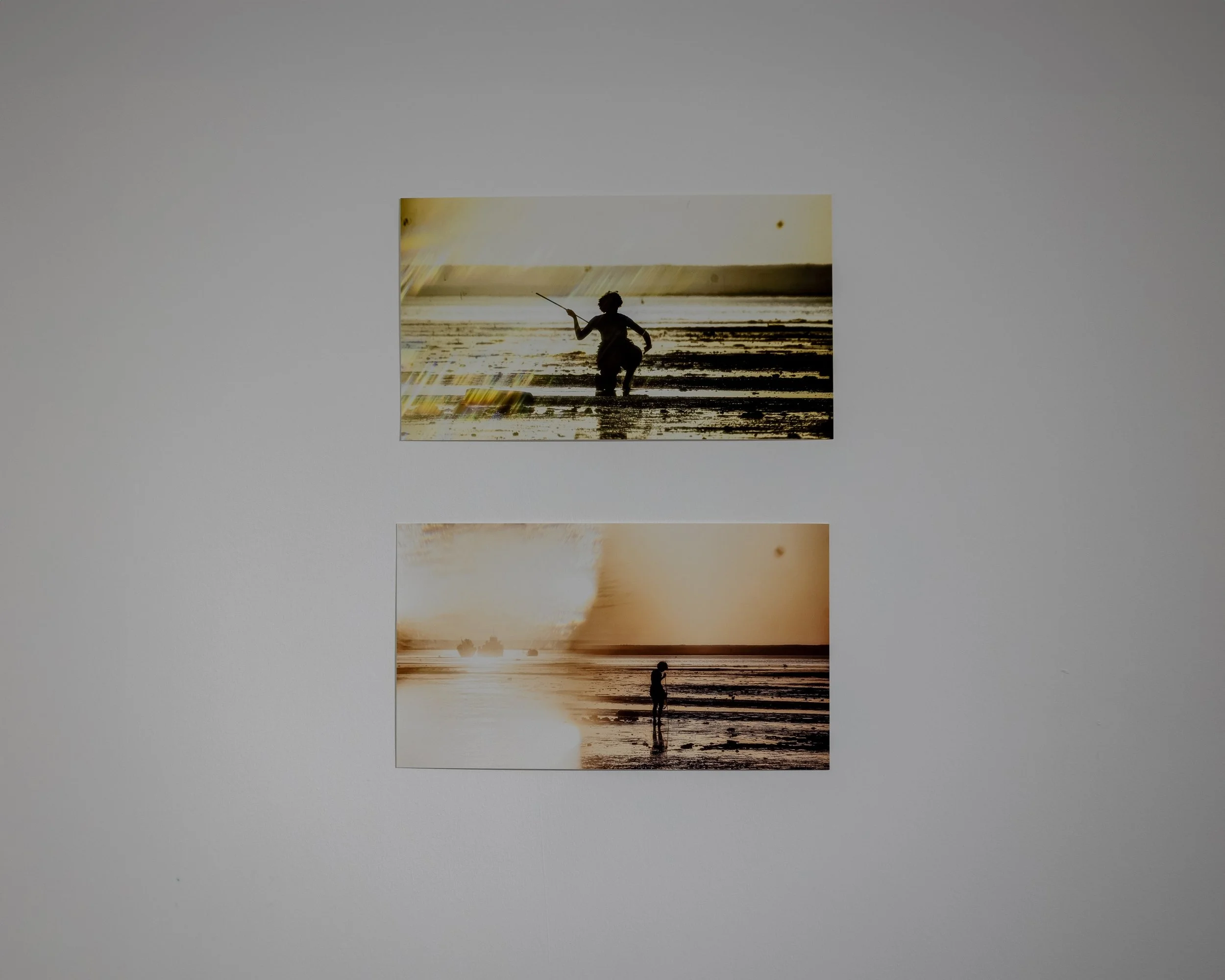
Qutaiba Buyabes
Publication
IN SITU: Art, Research, and Practice on Failaka Island was published by the Failaka Institute for Knowledge and Arts Research (FIKAR) on the occasion of the eponymous exhibition presented at Contemporary Art Platform (CAP) from January 28th to February 19th, 2026.
Edition: Océane Sailly and Sulayman Al Bassam
Arabic translation: Saif Al Areef
Design: Paperhouse Studio, Kuwait
Publication © 2026 Failaka Institute for Knowledge and Arts Research